
YONGS LCD Panel Screen
YONGS LCD Panel Screen competitive advantage
YONGS Company, established in 2021, is a professional manufacturer and distributor specializing in liquid crystal display (LCD) screens. With a focus on quality and innovation, we pride ourselves on providing cutting-edge LCD screen solutions to meet the diverse needs of our customers. Our team consists of experienced professionals dedicated to delivering superior products and exceptional service to clients worldwide. From design and production to sales and support, YONGS Company is committed to excellence every step of the way.
YONGS price :
YONGS offers highly competitive pricing for LCD panel screens. Our pricing strategy is aimed at providing excellent value to our customers while maintaining the highest standards of quality. We strive to keep our prices competitive by optimizing our manufacturing processes, sourcing materials efficiently, and minimizing overhead costs. Additionally, our strong relationships with suppliers enable us to negotiate favorable terms and pass on the savings to our customers. At YONGS, we understand the importance of affordability without compromising on performance or reliability. Therefore, we continuously monitor market trends and adjust our pricing strategies to ensure that our customers receive the best possible value for their investment in LCD panel screens.
YONGS warranty :
YONGS provides warranty coverage tailored to both second-hand and brand-new LCD Panel Screens. For second-hand LCD Panel Screens, we offer a comprehensive warranty period of 90 days, ensuring that our customers have ample time to assess the performance and reliability of their purchased screens. This warranty period reflects our confidence in the quality and functionality of our refurbished products.
For brand-new LCD Panel Screens, YONGS extends a warranty period of 120 days, demonstrating our commitment to delivering top-tier products with extended support. We believe in the durability and performance of our new screens and aim to provide customers with peace of mind knowing that their investment is protected against potential manufacturing defects or malfunctions.
YONGS 24H Online Service :
YONGS provides 24-hour online customer service for any inquiries regarding LCD panel displays. During our working hours from Monday to Saturday, we guarantee immediate responses to your queries. Please take note of our working hours across different time zones:
Beijing: 09:00-18:00
Berlin: 02:00-12:00
Moscow: 04:00-14:00
Sydney: 11:00-21:00
New York: 20:00-08:00
If you happen to contact us outside of these specified hours, please leave us a message, and we will respond to your inquiry promptly. We kindly ask for your understanding regarding any delays that may occur during non-working hours.
YONGS Global Shipping :
YONGS provides global shipping services for LCD panel displays. Our global shipping network covers a wide range and aims to meet the needs of customers worldwide. No matter where you are, we are committed to providing you with efficient and reliable shipping services, ensuring that your LCD panel displays can be delivered in a timely manner. We have established close cooperative relationships with major logistics companies and have an experienced international transportation team to ensure the safe and timely delivery of goods to your designated location. No matter which country or region you are in, YONGS will provide you with world-class shipping services, making your shopping experience more convenient and enjoyable
What is LCD Panel Screen
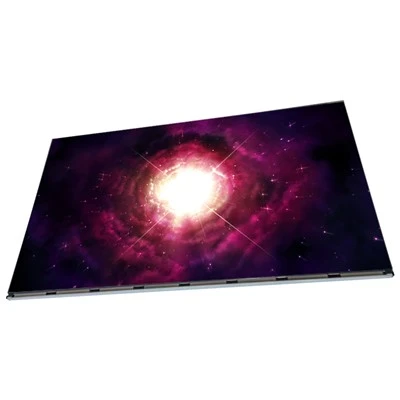
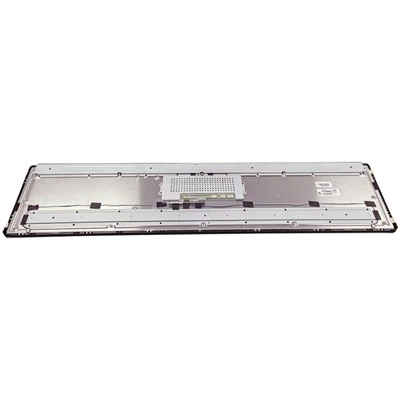
TLCD screen panel is one of the core components of LCD display, usually composed of thin film transistor (TFT) array and LCD layer. These screens are usually made of glass or plastic materials and are used in various electronic devices such as televisions, computer monitors, smartphones, tablets, etc.
In liquid crystal displays, the working principle of the liquid crystal layer is to control the penetration of light by changing the arrangement of liquid crystal molecules under the action of an electric field, thereby achieving image display. The TFT array of the LCD screen panel is responsible for controlling the current of each pixel to accurately control the state of each pixel in the LCD layer, thereby presenting a clear and accurate image.
The quality and technical level of LCD screen panels are crucial to the performance and visual experience of displays. High quality LCD panels can provide higher resolution, wider color gamut, faster response speed, and better viewing angles, resulting in more realistic and clear image display. Therefore, when choosing a LCD display, the quality and characteristics of the LCD screen panel are usually one of the important factors that users consider.

-
![Stage Background LCD Display HD Screen Video Wall LG LD550DUN-TKA1]() Stage Background LCD Display HD Screen Video Wall LG LD55...Model Name:LD550DUN-TKA1view more
Stage Background LCD Display HD Screen Video Wall LG LD55...Model Name:LD550DUN-TKA1view more
Screen size:55.0 inch
Resolution:1920(RGB)×1080 (FHD) 40PPI
Brightness:700 cd/m² (Typ.)
Backlight: LED
Power supply:12.0V -
![New MV270QHM-NY1 TFT LCD Screen]() New MV270QHM-NY1 TFT LCD ScreenWelcome to our website MV270QHM-NY1 LCD panel is new and original. Our company have plenty of LCD panel in stock. If you need LCD panel, please contact me, we can give you best price.view more
New MV270QHM-NY1 TFT LCD ScreenWelcome to our website MV270QHM-NY1 LCD panel is new and original. Our company have plenty of LCD panel in stock. If you need LCD panel, please contact me, we can give you best price.view more -
![43.0 Inch DV430FBM-N20 A-Si TFT-LCD Screen For Stretched Bar LCD]() 43.0 Inch DV430FBM-N20 A-Si TFT-LCD Screen For Stretched ...Welcome to our website DV430FBM-N20 LCD panel is new and original. Our company have plenty of LCD panel in stock. If you need LCD panel, please contact me, we can give you best price.view more
43.0 Inch DV430FBM-N20 A-Si TFT-LCD Screen For Stretched ...Welcome to our website DV430FBM-N20 LCD panel is new and original. Our company have plenty of LCD panel in stock. If you need LCD panel, please contact me, we can give you best price.view more -
![18.0 Inch NE180QDM-NM2 LCD Moudle]() 18.0 Inch NE180QDM-NM2 LCD MoudleWelcome to our website NE180QDM-NM2 LCD panel is new and original. Our company have plenty of LCD panel in stock. If you need LCD panel, please contact me, we can give you best price.view more
18.0 Inch NE180QDM-NM2 LCD MoudleWelcome to our website NE180QDM-NM2 LCD panel is new and original. Our company have plenty of LCD panel in stock. If you need LCD panel, please contact me, we can give you best price.view more -
![New NE180QAM-NZ1 18.0 Inch Laptop LCD Display]() New NE180QAM-NZ1 18.0 Inch Laptop LCD DisplayWelcome to our website NE180QAM-NZ1 LCD panel is new and original. Our company have plenty of LCD panel in stock. If you need LCD panel, please contact me, we can give you best price.view more
New NE180QAM-NZ1 18.0 Inch Laptop LCD DisplayWelcome to our website NE180QAM-NZ1 LCD panel is new and original. Our company have plenty of LCD panel in stock. If you need LCD panel, please contact me, we can give you best price.view more -
![NV160WUM-T03 60Hz Laptop Touch LCD Display]() NV160WUM-T03 60Hz Laptop Touch LCD DisplayWelcome to our website NV160WUM-T03 LCD panel is new and original. Our company have plenty of LCD panel in stock. If you need LCD panel, please contact me, we can give you best price.view more
NV160WUM-T03 60Hz Laptop Touch LCD DisplayWelcome to our website NV160WUM-T03 LCD panel is new and original. Our company have plenty of LCD panel in stock. If you need LCD panel, please contact me, we can give you best price.view more -
![NV133WUM-N6D 13.3 Inch 1920*1200 LCD Display Panel]() NV133WUM-N6D 13.3 Inch 1920*1200 LCD Display PanelWelcome to our website NV133WUM-N6D LCD panel is new and original. Our company have plenty of LCD panel in stock. If you need LCD panel, please contact me, we can give you best price.view more
NV133WUM-N6D 13.3 Inch 1920*1200 LCD Display PanelWelcome to our website NV133WUM-N6D LCD panel is new and original. Our company have plenty of LCD panel in stock. If you need LCD panel, please contact me, we can give you best price.view more -
![MV270FH5-M00 1920*1080 LCD Moudle]() MV270FH5-M00 1920*1080 LCD MoudleWelcome to our website MV270FH5-M00 LCD panel is new and original. Our company have plenty of LCD panel in stock. If you need LCD panel, please contact me, we can give you best price.view more
MV270FH5-M00 1920*1080 LCD MoudleWelcome to our website MV270FH5-M00 LCD panel is new and original. Our company have plenty of LCD panel in stock. If you need LCD panel, please contact me, we can give you best price.view more -
![16.0 Inch NE160QD1-M60 LCD Display Panels]() 16.0 Inch NE160QD1-M60 LCD Display PanelsWelcome to our website.NE160QD1-M60 lcd panel is new and original. Our company have plenty of lcd panel in stock. If you need lcd panel, please contact me, we can give you best price.view more
16.0 Inch NE160QD1-M60 LCD Display PanelsWelcome to our website.NE160QD1-M60 lcd panel is new and original. Our company have plenty of lcd panel in stock. If you need lcd panel, please contact me, we can give you best price.view more -
![MV238FHM-NX5-DDS1 DWK1 TFT-LCD Screen 23.8 Inch LCD Panel]() MV238FHM-NX5-DDS1 DWK1 TFT-LCD Screen 23.8 Inch LCD PanelWelcome to our website.MV238FHM-NX5-DDS1 DWK1 lcd panel is new and original. Our company have plenty of lcd panel in stock. If you need lcd panel, please contact me, we can give you best price.view more
MV238FHM-NX5-DDS1 DWK1 TFT-LCD Screen 23.8 Inch LCD PanelWelcome to our website.MV238FHM-NX5-DDS1 DWK1 lcd panel is new and original. Our company have plenty of lcd panel in stock. If you need lcd panel, please contact me, we can give you best price.view more -
![15.3 Inch TFT LCD Screen Display Module NV153WUM-N42]() 15.3 Inch TFT LCD Screen Display Module NV153WUM-N42Welcome to our website.NV153WUM-N42 lcd panel is new and original. Our company have plenty of lcd panel in stock. If you need lcd panel, please contact me, we can give you best price.view more
15.3 Inch TFT LCD Screen Display Module NV153WUM-N42Welcome to our website.NV153WUM-N42 lcd panel is new and original. Our company have plenty of lcd panel in stock. If you need lcd panel, please contact me, we can give you best price.view more -
![14.5 Inch NS145F80-M00 LCD Screen Panel For Laptop]() 14.5 Inch NS145F80-M00 LCD Screen Panel For LaptopWelcome to our website.NS145F80-M00 lcd panel is new and original. Our company have plenty of lcd panel in stock. If you need lcd panel, please contact me, we can give you best price.view more
14.5 Inch NS145F80-M00 LCD Screen Panel For LaptopWelcome to our website.NS145F80-M00 lcd panel is new and original. Our company have plenty of lcd panel in stock. If you need lcd panel, please contact me, we can give you best price.view more


Main features of LCD Panel Screen
Thin design:
The LCD screen panels are very thin, which allows them to be easily integrated into various electronic devices, such as laptops, tablets, and smartphones, making the devices more lightweight and portable.
Low power consumption:
Compared to traditional cathode ray tube (CRT) displays, LCD screen panels consume lower power. This is because LCD screens only consume energy when pixels need to be changed, while they hardly consume electricity when displaying static images.
High resolution:
LCD screen panels can provide high-resolution image display, presenting clearer and more detailed images and text. This gives them advantages in watching high-definition videos, playing games, and designing graphics.
Wide viewing angle:
LCD screen panels usually have a wide viewing angle, allowing users to view the screen from different angles without color distortion or brightness decrease.
Controllable brightness and contrast:
The brightness and contrast of the LCD screen panel can be controlled by adjusting the voltage of the background lighting source and LCD layer, allowing users to adjust according to environmental lighting and personal preferences.
Non flickering display:
LCD screen panels do not have flickering issues like traditional CRT displays, which reduces eye fatigue and discomfort.
Widely applicable:
LCD screen panels can be used in various applications, including televisions, computer monitors, tablets, smartphones, digital billboards, and industrial control systems.
Advantages of LCD screen panels
Multifunctionality:
LCD screen panels can be used for various applications, including televisions, computer monitors, tablets, smartphones, digital billboards, and industrial control systems, and have a wide range of applicability.
High reliability:
The LCD screen panel adopts advanced manufacturing technology and materials, which have high reliability and stability, and usually has a long service life.
Environmental protection:
LCD screen panels have lower environmental impact compared to traditional cathode ray tube (CRT) displays because they do not contain harmful heavy metals to the environment and can use less energy.
No radiation:
LCD screen panels do not generate electromagnetic radiation and are relatively safe for human health.
Types of LCD Panel Screen
TFT-LCD is currently one of the most widely used types of liquid crystal screen panels. It uses thin film transistor technology, where each pixel is controlled by a thin film transistor, achieving higher pixel density, faster response speed, and better color performance. TFT-LCD is widely used in devices such as laptops, tablets, televisions, and monitors.
IPS-LCD is a special type of LCD screen panel that has a wider viewing angle and more accurate color reproduction ability. The IPS-LCD panel provides better visual stability, allowing the screen to maintain color and brightness consistency even when viewed from different angles. This type of panel is commonly found in high-end displays, smartphones, and tablets.
OLED is a new display technology based on organic materials, which treats each pixel as an independent light emitting diode, thus achieving self illumination without the need for a backlight. This makes OLED panels have higher contrast, brighter colors, and faster response times. OLED panels are commonly used in high-end smartphones, televisions, and wearable devices.
AMOLED is an improved OLED technology that improves pixel response speed and sensitivity by introducing an active matrix driver. AMOLED panels have higher energy efficiency and faster response speed, making them widely used in devices such as smartphones, tablets, and televisions.
This is a common backlighting technology in LCD displays. In the LCD panel, the LCD layer controls the display of the image by adjusting the brightness of the backlight source. LED backlight technology has higher energy efficiency and wider color gamut in this regard, and is therefore widely used in LCD displays.
Material of LCD Panel Screen
Glass substrate
The basic material for LCD screen panels is usually glass substrate. The glass substrate provides the basic structure and support of the screen, ensuring the stability and durability of the panel. The flatness and transparency of glass substrates are crucial for the clarity and quality of display images.
Liquid crystal material
The liquid crystal material in the LCD screen panel is a special organic compound with specific optical properties. Liquid crystal materials can change their molecular arrangement under the action of an electric field, thereby controlling the degree of light transmission and achieving pixel opening and closing. This feature enables LCD screens to display images and text.
Conductive layer
The liquid crystal screen panel also includes a conductive layer, which is used to apply an electric field to the liquid crystal material and control the arrangement of liquid crystal molecules. Usually, the conductive layer is made of transparent conductive materials, such as indium tin oxide (ITO).
Backlight source
Many LCD screens require a backlight source to provide brightness. The backlight is usually composed of a cold cathode tube (CCFL) or LED (light-emitting diode). The choice of backlight source has a significant impact on the brightness, contrast, and energy efficiency of the screen.
Filter
The filter in the LCD screen panel is used to adjust the color and intensity of light to achieve more accurate color reproduction. Usually, multi-layer filters are used in LCD screens to filter and adjust light of different wavelengths.
Protective layer
The outermost layer is a protective layer used to protect the panel from scratches, contamination, and other physical damage. This protective layer is usually made of materials with high hardness, such as glass or plastic.
Production process of LCD screen panels
Substrate preparation:
Usually glass or other transparent substrates are used, which need to be cleaned and treated to ensure surface smoothness and cleanliness.
Coating:
Apply the liquid crystal formula onto the surface of the substrate through spraying or other methods. This step typically involves arranging and controlling the orientation of liquid crystal molecules.
Alignment:
Liquid crystal molecules need to be arranged in a specific direction to ensure accuracy during liquid crystal display. This step is usually achieved by applying an electric field or light field.
Packaging:
Fix two substrates together through a certain spacing layer (such as glass spacing), while retaining a small portion of the opening for subsequent filling of liquid crystals and other processes. This step also includes packaging and sealing to prevent liquid crystal leakage.
Filling:
Fill the liquid crystal into the interlayer between the substrates. After filling, the opening of the compartment will be closed.
Curing:
Cure liquid crystal fillers by heating or other means to ensure their stability and reliability.
Cutting:
Cut the large-sized LCD panel into the required size for subsequent use.
Testing:
Test each produced LCD panel to ensure its quality meets the specified standards.
Maintenance Tips for LCD Panel Scree
Gently clean:
Use a soft cleaning cloth to gently wipe the surface of the LCD screen, avoiding the use of rough or worn fabrics to avoid scratching the screen surface.
01
Avoid chemicals:
Avoid using cleaning agents containing alcohol, ammonia, or other strong acids or bases, as these chemicals may damage the coating of the LCD screen.
02
Regular cleaning:
Regularly clean the surface of the screen, especially when dirt or fingerprints are found. Dirt and fingerprints not only affect the viewing experience, but may also leave permanent marks on the screen.
03
Avoid pressure:
Avoid applying excessive pressure or impact to the LCD screen to prevent it from breaking or producing bad spots.
04
Avoid prolonged static display:
Try to avoid displaying static images on the LCD screen for a long time, as this may cause image residue or screen burning.
05
Using a screen protector:
When not in use for a long time, use a screen protector or turn off the screen to extend the lifespan of the liquid crystal screen.
06
Proper storage:
Store the LCD screen correctly to avoid adverse factors such as moisture, high temperature, or direct sunlight.
07
Regular inspection:
Regularly inspect the LCD screen for any abnormal phenomena, such as color distortion, bad spots, etc., and promptly handle or repair them.
08
How to solve the problem of LCD screen panels not working properly?
No display or black screen:
Check power connection: Ensure that the power cord of the LCD screen is properly connected and the plug is in good condition.
Adjusting brightness and contrast: Try adjusting the brightness and contrast settings of the screen, which may sometimes solve the problem.
Check signal source: Confirm whether the signal source connected to the LCD screen (such as a computer, DVD player, etc.) is working properly.
Image distortion or color abnormalities:
Check the connection cable: Ensure that the connection cable between the LCD screen and the signal source (such as HDMI, VGA, etc.) is not loose or damaged.
Adjust resolution and refresh rate: Try adjusting the resolution and refresh rate of the connected device to ensure compatibility with the LCD screen.
Reinserting and unplugging the signal cable: Sometimes reinserting and unplugging the connection cable can solve problems during signal transmission.
Bad points appear:
Check the screen surface: Observe whether there are obvious bad spots on the screen surface, such as black spots, bright spots, etc. For newly purchased LCD screens, there is usually a tolerance range for defects specified by the manufacturer, and if it exceeds the range, replacement can be requested.
Using repair software: Some specialized LCD screen repair software may help repair certain types of bad points.
Flashing or shaking occurs:
Adjust refresh rate: Try adjusting the refresh rate of the LCD screen and select a frequency that is compatible with the monitor.
Check the power supply: Power supply issues may also cause screen flickering or shaking, ensure stable power supply.
Touch screen not responding:
Restart device: Try restarting the device, sometimes this may solve the issue of the touch screen not responding.
Check touch screen settings: Ensure that the driver for the touch screen is installed correctly and that touch screen functions are enabled.
Avoid prolonged static display: Prolonged display of still images may cause image residue or screen burning. Try to avoid displaying still images on LCD screens, especially in high brightness and contrast situations.
Avoid high temperature and humid environments: LCD screens are sensitive to high temperature and humid environments, so they should be avoided from being placed in direct sunlight or damp areas to prevent damage or impact on display performance.
Gently clean: Use a soft cleaning cloth to gently wipe the surface of the LCD screen, avoiding the use of rough or worn fabrics to avoid scratching the screen surface. Meanwhile, avoid using cleaning agents containing alcohol, ammonia, or other strong acids or bases to avoid damaging the screen surface coating.
Avoid impact and pressure: Avoid applying excessive pressure or impact to the LCD screen to prevent it from breaking or producing bad spots.
Regular cleaning and inspection: Regularly clean the surface of the LCD screen, especially when dirt or fingerprints are found. At the same time, regularly check the LCD screen for any abnormal phenomena, such as color distortion, bad spots, etc., and promptly handle or repair them.
Correct brightness and contrast settings: Adjust the brightness and contrast settings of the LCD screen to fit the current environment and reduce eye fatigue.
Avoid strong vibrations: Avoid applying strong vibrations or bumps when moving the LCD screen to avoid damaging internal components.
Proper storage: When not in use, the LCD screen should be stored in a safe, dry place and avoid contamination by dust and other debris.
Certifications

LCD Panel Screen FAQ
Q:What is LCD Panel Screen ?
A:LCD panel screen is an application of LCD display technology used to display images, text, and video content in various electronic devices. LCD (liquid crystal display) panel is a flat display device composed of a liquid crystal layer, a glass substrate, a light source, and pixel driving circuits.
Q:How to choose the appropriate LCD Panel Screen ?
A:Please send us the model of the LCD Panel Screen; Or send us the image and purpose of the LCD Panel Screen; So that we can quickly match the original LCD Panel Screen to you
Q: What factors need to be considered when choosing an LCD Panel Screen?
A: You need to confirm the usage scenario, size, resolution, refresh rate, response time, and other factors of the LCD Panel Screen
Q : What test is done to LCD Panel Screen ?
A:100% complete testing to ensure that the LCD Panel Screen is in perfect condition when it reaches your hands;
Q: What are the common types of LCD Panel Screen used in the market?
A: There are two types of LCDs commonly used in the market. One is TN (twisted nematic); this type of LCD has a narrow viewing angle. The other is STN (super-twisted Nematic); this has a wider viewing angle.
Q : Do you have own LCD Panel Screen technology team?
A : Of course, we have our own LCD Panel Screen technology team
Q : How do I know what type of LCD Panel Screen to use for our product?
A: This will truly depend on many factors, including multi-channel drive schemes, temperature, voltage/power, artwork design, contrast requirements, and cost budgets.
Q : Is there a possibility to make a more brighter display?
A: Yes, please share more details about the project requirements with us. We will work hard to find a solution and a customized high brightness backlit LCD Panel Screen for you.
Q : I am new for developing LCD Panel Screen.
A: Please don't worry about it. Our engineer will help you if you have any problems when you try to power on the display. We will send you the complete development documentation (datasheet, initial code, schematic, CAD drawing etc) and help you easy to get started.
As one of the leading LCD panel screen suppliers in China, we warmly welcome you to buy or wholesale cheap LCD panel screen in stock here from our factory. All products are with high quality and low price. For more discount information, contact us now.