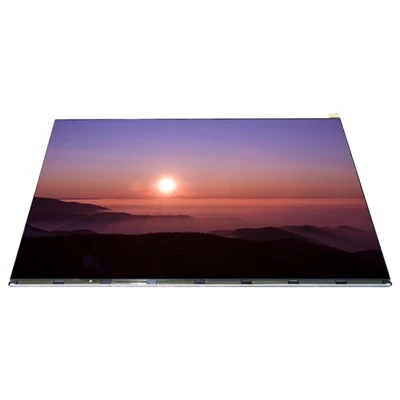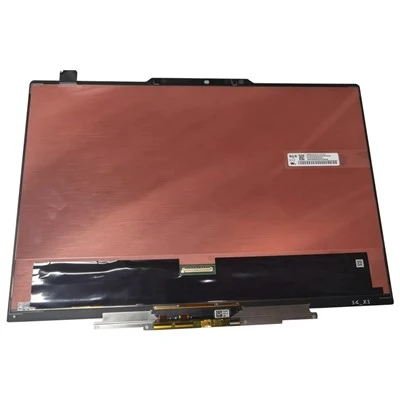
The integration rate of touch screens for car navigation varies from region to region. In 2009, about 50% to 60% of car navigators around the world used resistive touch screens. In-vehicle navigation generally has an embedded type that comes with the car, a general-purpose type that the user buys alone in the market, and a matching type that is used as an optional accessory when buying the car. Depending on the type, the required reliability standards are also different. Even the same resistive touch screen, its main structure is different. The embedded type with the most stringent reliability requirements uses a glass/glass structure. In contrast, the low-level general-purpose type uses an organic film/glass structure, and the matching type is somewhere in between.
Touch screens with different structures have different manufacturers. In terms of raw materials, the upper substrate of the glass/glass structure mainly uses thin glass with a thickness of 0.2 mm or 0.3 mm. Especially for 0.2mm, manufacturers of glass materials and ITO coatings are limited. In addition, the surface of the touch screen must also be laminated with anti-scattering and anti-reflection films. The embedded type also has high requirements on this point, so circular polarizers or polarizers are often used to achieve the above-mentioned purpose. The polarizer material used is the same as the liquid crystal display. It is a dye-type polarizer without iodine. This kind of polarizer technology is monopolized by Japanese manufacturers.
There are also some differences between mobile phones and car navigation in the supply situation (logistics, business flow) of complete machine manufacturers. LCD manufacturers buy touch screens for mobile phones, conduct integrated production, and then transfer them to complete machine manufacturers. The integrated production is to prevent the drop in transmittance due to the gap between the liquid crystal display and the touch screen, and the touch screen and the glass protective layer. Optical adhesives are used for optical connection integration. For touch panel manufacturers, customers are increasingly turning into LCD manufacturers. In addition, there are also cases where touch screen manufacturers integrate optical connections. For car navigation, car navigation manufacturers that provide navigation systems to car manufacturers still assemble the LCD display and touch screen separately. How will this business model change in the future? In addition to car navigation, the development trends of other products are also worthy of attention.