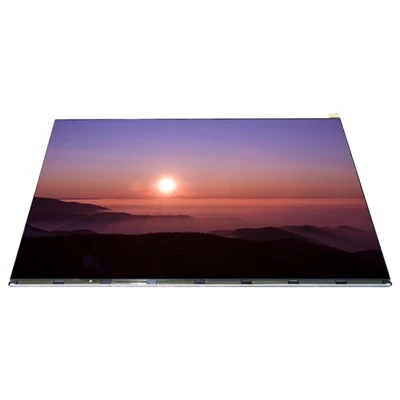

LED display (LED panel): LED display is a display screen used to display various information such as text, graphics, images, animations, market quotations, videos, video signals, etc. by controlling semiconductor light-emitting diodes. The LED display screen can display changing numbers, characters, and graphic images; it can be used not only in indoor environments but also in outdoor environments, with incomparable advantages to projectors, video walls, and liquid crystal displays. The reason why LED has been widely valued and developed rapidly is inseparable from its own advantages. These advantages are summarized as: high brightness, low operating voltage, low power consumption, miniaturization, long life, shock resistance and stable performance. The development prospect of LED is extremely broad, and it is developing in the direction of higher brightness, higher weather resistance, higher luminous density, higher luminous uniformity, reliability and full color.
Classification of LED display

2. Basic composition of LED display
(1) Asynchronous screen: generally composed of display unit board (module), strip screen card, switching power supply, and HUB board (optional). Connect to the computer through the serial line, change the displayed text, and then work without the computer.
(2) Synchronous screen: The synchronous screen system is relatively complex, and the system can be large or small. Generally, it is composed of a computer, a DVI graphics card, a data sending card, a synchronous data receiving card, a HUB board, a network cable, and an LED display. The system always needs to work with an online computer, and display the image and text on the computer on the large LED screen.