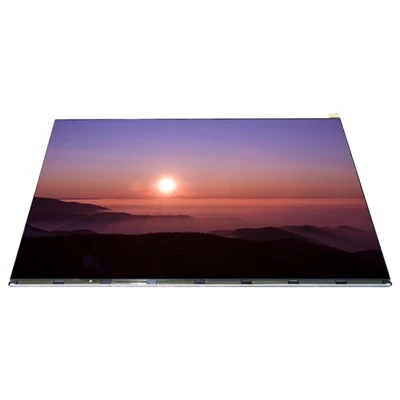
The LED display is the customer's intuitive understanding of the product, and the quality of the LED display affects the customer's quality of the product. So where can we see the quality of the LED display? The following editor will answer the method for you to identify the quality of LED display:
1. The flatness of the display screen, the surface flatness is within ±1mm, which can ensure that the displayed image is not distorted, and the partial protrusion or recess will cause the viewing angle of the display screen to appear dead. The quality of flatness is mainly determined by the production process.
2. White balance effect. In terms of color, pure white will be displayed only when the ratio of the three primary colors of red, green and blue is 1:4.6:0.16. If there is a slight deviation in the actual ratio, there will be a deviation in white balance. Generally, it is necessary to pay attention to whether the white is bluish or yellowish. green phenomenon. The quality of the white balance is mainly determined by the control system of the display screen, and the die also has an impact on the reproducibility of the color.
3. Brightness and viewing angle, the brightness of the indoor full-color screen is above 800cd/m², and the brightness of the outdoor full-color screen is above 1500cd/m², which can ensure the normal operation of the display screen, otherwise it will be difficult to see the display because the brightness is too low Image. The size of the brightness is mainly determined by the quality of the LED die. The size of the viewing angle directly determines the audience of the display screen, so the bigger the better. The size of the viewing angle is mainly determined by the packaging method of the die.
4. Color reducibility, color reducibility refers to the reducibility of the display screen to the color, that is, the color displayed on the display screen should be highly consistent with the color of the playback source, so as to ensure the authenticity of the image.
5. With or without color blocks, color blocks refer to the obvious color difference between adjacent modules. The color transition is in units of modules. The phenomenon of color blocks is mainly caused by poor control system, low gray level, and scanning. due to lower frequency.
6. Whether there is mosaic or dead spot phenomenon, mosaic refers to the small squares that are always bright or always black on the display screen, which is the phenomenon of module necrosis. The main reason is that the quality of the connectors used in the display screen is not good enough.