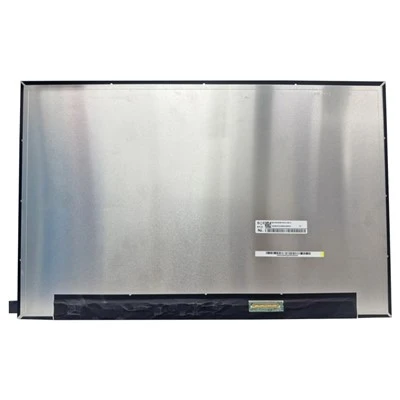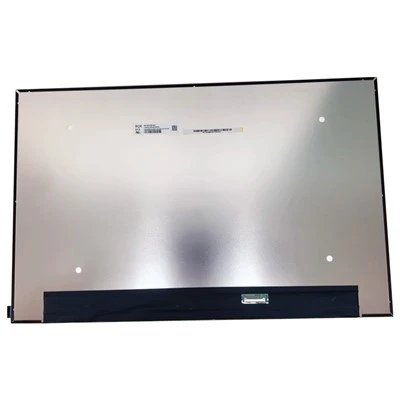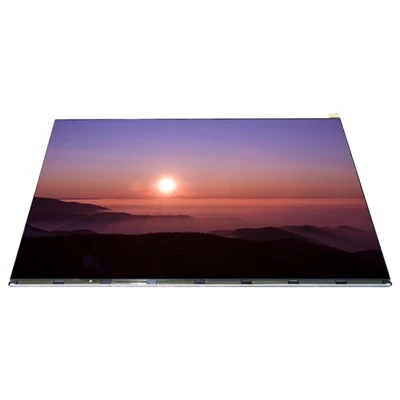

As an industrial display supplier, YONGS recommends customers to comprehensively select from three dimensions: environmental adaptability, key parameters, and long-term maintenance, to ensure maximum equipment efficiency:
- Priority given to environmental adaptability
Brightness selection: Strong light environments (such as outdoors or near workshop windows) require a brightness of ≥ 500 nits, while ordinary indoor environments only need 300 nits to avoid unreadable content due to insufficient brightness.
Protection level: IP65 (dustproof and waterproof) is selected for dusty environments, IP67 or above is required for chemical/humid scenarios, and it should be equipped with a corrosion-resistant shell.
Temperature and humidity requirements: Wide temperature screen (-20 ℃~60 ℃) suitable for high and low temperature workshops, seismic design (such as reinforced frames) to cope with production line vibration.
- Key parameter analysis
Resolution and size: It is recommended to use a 4K+21.5-inch or larger screen for monitoring scenarios, and a 15-17 inch 1080P screen can be selected for the data interface.
Touch function: Preferred resistive screen for oily environments (supporting glove operation), capacitive screen for clean scenes (high sensitivity).
Interface compatibility: Match industrial equipment signal sources (such as HDMI/DP), and support USB expansion or KVM functionality for multi device control.
- Long term costs and maintenance
Energy efficiency ratio: High brightness screens need to pay attention to power consumption, and it is recommended to use dynamic dimming technology to save 20% energy.
Modular design: replaceable backlight module and touch layer, reducing maintenance costs.
Service guarantee: Choose suppliers who provide 48 hour response and prototype testing to ensure after-sales support.
Summary: Industrial display selection needs to break away from "parameter stacking" and focus on the pain points of the scene. As a professional supplier, we provide a one-stop solution from brightness adaptation testing, customized interfaces to full lifecycle maintenance, helping you reduce costs and increase efficiency.