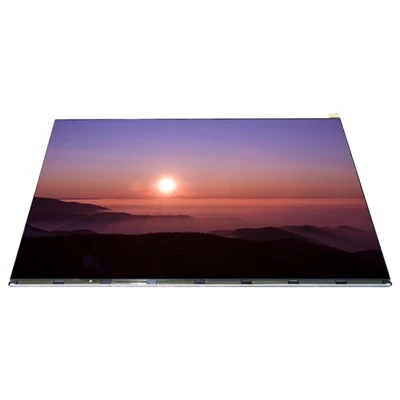
The display function of LCD is mainly to have a backlight source. The brightness of this light source determines the brightness and color saturation of the whole LCD. In theory, the brightness of LCD is the higher the better. The brightness is measured in cd/m2 (square candlelight per meter). The brightness of the screen, also known as NIT Lumen TFT, mostly starts at 150 Nits. Usually 200 Nits can show a better picture. Contrast is a measure of the contrast of two different levels of color, black and white. When the contrast is 120:1, it can display vivid and rich colors (because the human eye can distinguish the contrast is about 100:1). When the contrast reaches 300:1, it can support the colors of all levels. Most LCD displays have the contrast of 500:1 to 800:1. The contrast of LCD products of first-line brands such as Asus, Samsung and LG generally reaches about 1000:1. There is no fair standard value to measure the contrast between brightness and contrast, so the purchase of LCD depends on a pair of sharp eyes. So when choosing LCD, we should pay attention to this index. It is also the most difficult part of estimating the performance difference of LCD products.