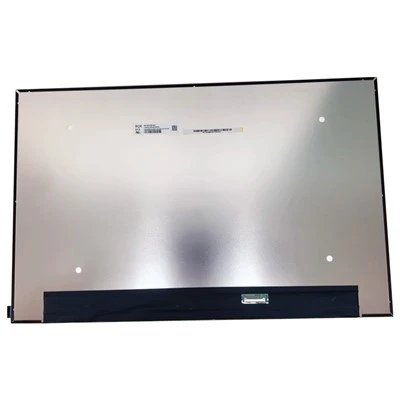

LVDS (Low Voltage Differential Signaling) is an interface technology used for high-speed data transmission, characterized by low power consumption, low noise, and high anti-interference ability. It is widely used in fields such as displays, communication equipment, and industrial control. The interface definition usually includes signal lines, power supplies, ground wires, etc. The following are common definitions and key points of LVDS interfaces:
1.The definition of LVDS interface is based on its unique signal transmission method. It uses low-voltage differential signals for data transmission on two parallel differential signal lines, where the current and voltage amplitudes flowing through these two lines exhibit opposite characteristics. When external noise signals are coupled to both lines simultaneously, the receiving end focuses on the difference between the two signals, cleverly canceling out the noise. At the same time, due to the mutual cancellation of electromagnetic fields around the two signal lines, the LVDS interface exhibits excellent resistance to electromagnetic interference and noise interference during data transmission. This characteristic enables industrial LCD screens to ensure the stability and accuracy of image display even in industrial environments filled with various electromagnetic interference sources, such as large factories where numerous motors generate strong magnetic fields and electrical equipment frequently switches on and off to trigger electromagnetic pulses. Whether it is the real-time monitoring screen of the production line or the parameter display of industrial equipment, there will be no flicker, distortion or other problems caused by external interference, providing a clear and reliable visual window for information acquisition in the industrial production process.
2.In terms of data transmission capability, the LVDS interface performs well. It can support the display requirements of high resolution and high refresh rate, which is of great significance for industrial automation and monitoring systems. On modern industrial production lines, precise monitoring and control are required at every stage from raw material processing to product assembly.
The industrial LCD screen with LVDS interface can clearly display the operating status of production equipment, quality inspection data of products, and various key information in the production process. It can also update the screen in real time with high refresh rate, allowing operators to detect any subtle changes or abnormalities in a timely manner. For example, in the lithography workshop of an electronic chip manufacturing factory, high-precision production equipment needs to provide real-time feedback on its working parameters and processing progress. The LVDS interface LCD screen can present these complex data in high-resolution, high refresh rate form, and operators can quickly make adjustments and decisions based on this, ensuring smooth production and stable product quality.
3.The wide application of LVDS interface in the industrial field benefits from its good adaptability and reliability. In addition to its strong anti-interference ability and excellent data transmission performance mentioned above, it also has the characteristic of low power consumption. Industrial equipment often requires long-term continuous operation, and energy consumption issues have attracted much attention. The LVDS display screen is implemented using CMOS technology, with extremely low static power consumption, and its constant current source mode and low swing output operation make power consumption almost unaffected by frequency changes, resulting in very low single channel power consumption. This not only conforms to the development trend of energy conservation and environmental protection in the industrial field, but also reduces the heat dissipation pressure of equipment, further improving the stability and service life of equipment. In some industrial application scenarios that have limitations on energy supply or high requirements for equipment heat dissipation, such as outdoor power inspection equipment and underground mine monitoring instruments, the low-power advantage of LVDS interface is particularly evident.