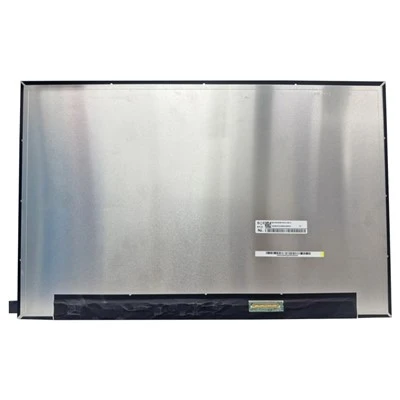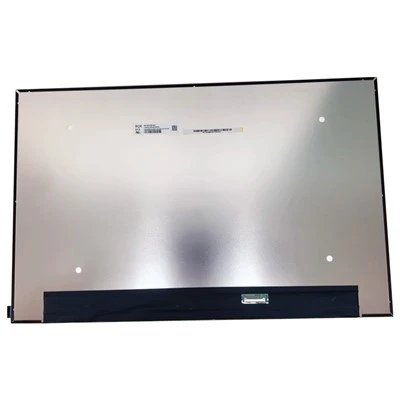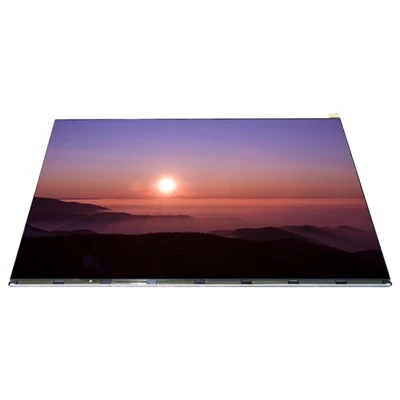

Recently, with the explosion of demand for digital scenes, modular splicing display screens have rapidly penetrated the commercial display field with their characteristics of "free customization and unlimited expansion". Industry analysis institutions predict that the global assembled screen market size will exceed 80 billion yuan by 2025, becoming one of the core infrastructure for smart business transformation.
Technological advantage: Breaking through spatial limitations
The assembly screen adopts standardized module design, supporting horizontal, vertical, and irregular splicing, and is suitable for complex spaces such as mall courtyards, airport curved walls, and corporate exhibition halls. Its "plug and play" feature can quickly replace faulty units, reducing maintenance costs by 60% compared to traditional large screens, and supporting 4K/8K ultra high definition and HDR displays, meeting high-end visual marketing needs.
Application scenario explosion
Retail industry: Shopping centers create immersive promotional areas through dynamic splicing screens, increasing customer conversion rates by 30%;
• Enterprise office: modular conference screen enables multi screen collaboration, and Huawei, ByteDance and other enterprises have deployed in batches;
Transportation hub: Beijing Daxing Airport adopts curved assembly screens to release real-time information, improving operation and maintenance efficiency by 50%.
Industry Trends
According to a report by iResearch Consulting, the shipment volume of assembled screens in China will increase by 78% year-on-year in 2023, and demand in fields such as education and healthcare will accelerate. Manufacturers such as Liard and Samsung have launched "AI+assembly screen" solutions, which automatically adjust display content through intelligent perception of ambient light and pedestrian flow, further expanding the commercialization boundary.
Future prospects
With the maturity of 5G and IoT technologies, assembled screens will be deeply integrated with sensors and cloud computing to create incremental value in scenarios such as smart cities and virtual interactions. Industry experts point out that the Display as a Service (DaaS) model will drive the upgrade of assembled screens from 'hardware sales' to' scene operation ', and the market space is unlimited