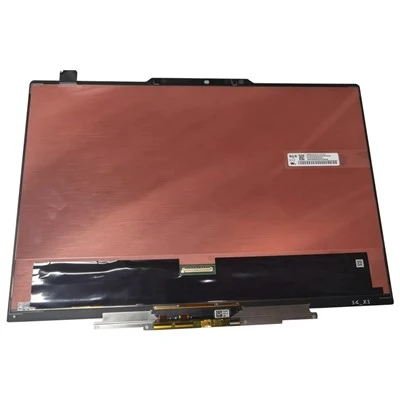
Commercial LCD displays adopt a unit splicing display mode to finally achieve a large-screen splicing effect. Commercial LCD displays are now widely used in various fields and are also unanimously recognized by the public. Commercial LCD displays still have room for improvement, and the technology needs to be further optimized. The following is an application analysis of commercial LCD displays.
The reason why commercial LCD displays are so affirmed is that they have certain advantages, such as thin thickness, low energy consumption, and long lifespan. They currently have absolute advantages in the splicing market. Now commercial LCD displays are developing rapidly, becoming mainstream products in the industry, and the prospects are very optimistic. Although there are many advantages, there are still shortcomings, that is, the large seams, which become its fatal shortcomings.
However, with the continuous advancement of technology, the joints of commercial LCD displays will gradually become smaller. In the next few years, commercial LCD displays will become more and more popular. Nowadays, the demand for large screens is increasing. Under the impact of splicing screens from multiple brands, commercial LCD displays will accelerate the pace of improvement, and will further popularize the application market.
In the security field, due to the low energy consumption and long life of commercial LCD displays, the high-definition display characteristics are favored. It has been used in key national projects, such as transportation, large-scale competition venues and so on. Commercial LCD display system splicing walls are gradually replacing traditional CRT and DLP splicing walls, becoming the preferred successor of professional security surveillance splicing large screens