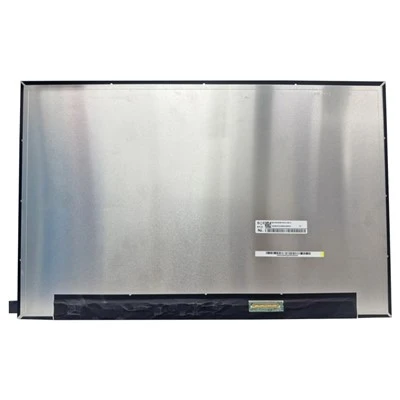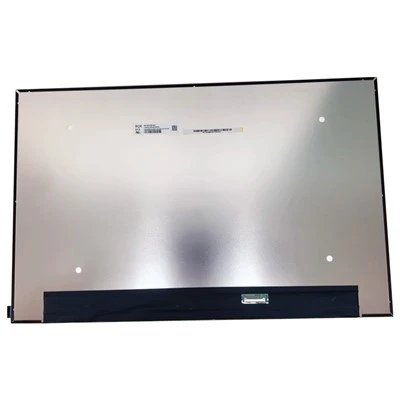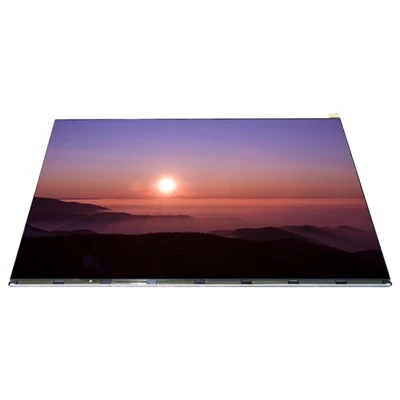

Industrial displays are specialized display devices used in the industrial field, with the characteristics of adapting to harsh environments and special needs. They are widely used in industrial automation, intelligent manufacturing, transportation, energy and power, medical and health care, military defense and other fields. The following will provide a detailed introduction to the applicable scenarios and characteristics of industrial displays.
Firstly, industrial displays are suitable for high temperature and high humidity environments. In industrial production sites, due to the heat generated by equipment operation and the special nature of processes or materials, the temperature is often high. The working temperature range of general industrial displays is -20 ℃~+70 ℃, and they can also adapt to harsh environmental conditions such as high humidity, dust, and mold. This enables industrial displays to operate stably under various extreme conditions, ensuring the normal operation of the production line.
Secondly, industrial displays are suitable for strong light environments. Under outdoor or strong light exposure, the brightness and contrast of general household displays often cannot meet the requirements. Industrial displays usually have the characteristics of high brightness and high contrast, which can clearly display images and text in strong light environments, ensuring that workers can observe and operate normally.
Thirdly, industrial displays are suitable for explosion-proof scenarios. There is a risk of explosion and fire in special places such as oil refining, chemical industry, and coal mines. To ensure safety, industrial displays generally use explosion-proof materials and designs that comply with explosion-proof standards and can be safely used in flammable and explosive places
Fourthly, industrial displays are suitable for remote monitoring and control. In some scenarios that require remote monitoring and control, industrial displays can interact with other devices for real-time monitoring and operational control by supporting various communication interfaces and network protocols. For example, industrial displays can be used for remote monitoring of temperature and humidity, voltage and current in computer rooms, as well as remote operation of switch devices. This provides convenient and efficient management methods for enterprises.
Fifth, industrial displays are suitable for multimedia display. In some industrial exhibitions, expos, and other events, industrial displays can serve as terminal devices for information dissemination, attracting people's attention and improving the effectiveness of information transmission by displaying multimedia content. Industrial displays generally have large screen sizes and high resolutions, which can display
clear and realistic images and videos, meeting the needs of display and promotion.
Finally, industrial displays have reliability and stability. In industrial production environments, the reliability and stability of displays are particularly important. The industrial display adopts sturdy and durable materials and structural design, with high seismic and vibration resistance and durability. At the same time, industrial displays must undergo strict testing and certification to be able to work continuously and maintain stable performance, ensuring the continuity and efficiency of production.