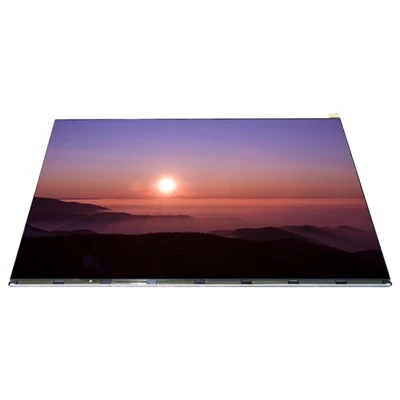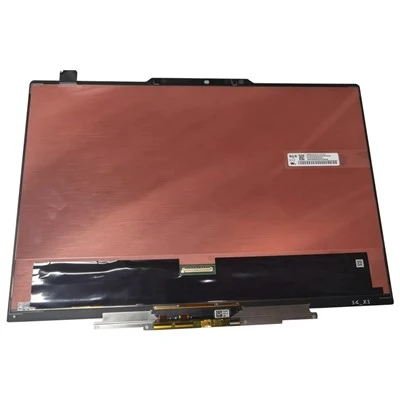

1. In terms of the level of the LCD screen, the LCD monitor uses an ordinary display, while the industrial touch monitor uses a high-brightness industrial-grade A+ LCD screen. The backlight requirement is higher than that of the monitor. Therefore, when the LCD is displaying The picture will be blurred, and a good image effect cannot be achieved;
2. The drive scheme is different, that is, the display motherboard scheme is different. The drive motherboard of the industrial touch display is better in processing dynamic images. The LCD display uses the ordinary level display motherboard, while the industrial touch display has to bear the long-term burden. Therefore, it is necessary to use a professional motherboard to ensure higher brightness/contrast/resolution/super high temperature resistance, etc., thereby reducing the use loss of the screen. If an ordinary monitor is used for a long time, its brightness and contrast will drop quickly, affecting its service life. This is why most LCD monitors can display images normally after the project has just been debugged, but part of the screen will be dark after being turned on continuously for a period of time.
3. The industrial touch display has a wide viewing angle, and the maximum visibility can reach 178 degrees, while an ordinary liquid crystal display can only see a blank at 178 degrees. This is a very important criterion for identifying industrial touch displays and liquid crystal displays. There is also the difference between the input signals of the two, mainly the input video signal. In order to meet the interface requirements of different front-end devices, the interface of the monitor will be much richer than that of the display, including BNC, VGA, RGB, HDMI, DVI, S terminal, etc. A variety of interfaces meet the input requirements of different signals, while the monitor mainly inputs VGA signals, and the interfaces are mainly VGA, S-terminal, etc., which cannot meet the signal input requirements of various monitoring equipment.