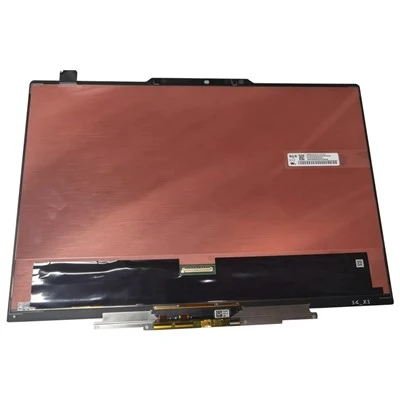
When we use LCD splicing screens, we will encounter some problems, so users are very distressed to help everyone solve them. Today, the editor will introduce you to the debugging and heat dissipation of the LCD splicing screen.
Show video source debugging: First, you can first check the segment, suppose there is a problem in a certain segment, and then check it to eliminate it. If the problem is still not resolved, you must exclude all devices one by one; then look at distributors and matrix switchers. The bandwidth and impedance of the signal source, regardless of whether the LCD splicing screen can minimize the image loss within the standard distance range. Finally, check whether the focus and convergence of the display device are normal, and whether the signal processing circuit is good.

The radiator can solve the heat dissipation problem of low-illumination large-screen splicing lamps; the so-called passive heat dissipation means that the heat source of the large-screen splicing light source is naturally radiated into the air through the radiator, and the heat dissipation effect is proportional to the size of the radiator. However, due to the natural scald volume, the effect is of course greatly reduced, and it is usually used for equipment that does not require space or components for heat dissipation.